Mellanie: A Handwritten Script Font for Makers
The soft hum of my Cricut machine filled the quiet corner of my studio as I prepared to cut a new batch of candle labels. The scent of beeswax and lavender hung in the air, a familiar comfort on this rainy Tuesday afternoon. I had the wax poured, the jars cleaned, and the wicks centered, but the final touch—the typography—was still undecided. I needed something that felt personal yet polished, a typeface that whispered "handmade" without looking messy or amateurish. That is when I opened my design file and selected Mellanie.
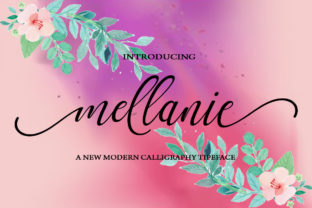
As the letters appeared on my screen, I understood immediately why this font has become a favorite among creative entrepreneurs. Designed by handwriting, Mellanie features a unique and beautiful style that resembles modern forms of calligraphy. It does not look like a rigid digital construct; instead, it captures the fluidity and imperfection of a real pen gliding across paper. For a maker whose entire business model relies on the charm of the handmade, finding a script font that balances elegance with approachability is often the hardest part of the design process. Mellanie solved that problem instantly.
Bringing Modern Calligraphy to Product Labels
My first test was applying Mellanie to the circular label for a small-batch soy candle. I typed the word "Serenity" in a medium weight, watching how the strokes connected with natural grace. The font’s personality is warm and inviting, making it perfect for product names that need to evoke a specific mood. Unlike some display fonts that can feel overly decorative or difficult to read at a glance, Mellanie maintains clarity even when scaled down for small packaging.
When printing these labels, I noticed how the ink held up beautifully on both matte and glossy sticker paper. The curves of the letters did not bleed, and the thin lines remained crisp. This level of detail is crucial for packaging design. A blurry or pixelated font can make a high-quality product feel cheap, whereas a clean, well-rendered typeface elevates the perceived value of the item. With Mellanie, the labels looked professionally designed, suggesting that the candle inside was crafted with the same level of care and precision.
Beyond candles, I found myself reaching for this font when designing tags for a boutique clothing line. The delicate swashes added a touch of femininity and sophistication to simple cotton twine tags. Whether used for wedding stationery, greeting cards, or seasonal gift boxes, the versatility of Mellanie allows it to adapt to various brand identities. It works equally well for a rustic farmhouse aesthetic or a modern minimalist shop, proving that good modern typography is timeless.
Designing Digital Downloads and Printables
While physical products are my primary focus, a significant portion of my income comes from digital downloads. Creating printable wall art and planner pages requires a different set of considerations than cutting vinyl stickers. In the digital realm, the font must look stunning on a screen and translate perfectly to a home printer. Mellanie excels in this area, offering a visual appeal that stops the scroll on social media platforms like Instagram and Pinterest.
I recently created a series of motivational quote prints using Mellanie for the main text. The handwritten nature of the font made the quotes feel more intimate, as if they were written specifically for the customer. This emotional connection is vital for editorial design and digital goods. When a buyer sees a printable with a generic sans serif font, it feels impersonal. However, when they see Mellanie, they sense the human element behind the design.
For those creating templates or SVG-style designs, readability remains a key factor. While Mellanie is primarily a script font intended for short phrases, titles, and decorative wording, its legibility is surprisingly high. I tested it on a mockup for a wedding welcome board, pairing the font with a bold header and a simple body text. The contrast worked flawlessly. The script drew the eye immediately, while the supporting text provided necessary information without competing for attention. This balance is essential for effective brand identity and communication.
Mastering Font Pairing and Readability
One of the most common questions I get from fellow crafters is how to pair script fonts with other typefaces. My experience with Mellanie suggests that less is often more. Because the font itself is so expressive, it pairs best with clean, neutral counterparts. A simple sans serif font like Helvetica or Montserrat provides a perfect backdrop, allowing the calligraphy to shine without overwhelming the viewer. Similarly, a classic serif font can add a touch of traditional elegance, creating a sophisticated look ideal for wedding invitations or luxury branding.
It is important to remember that script fonts like Mellanie are best suited for display use rather than long paragraphs. They excel at headlines, product names, and short messages. Attempting to use them for body copy can lead to readability issues, especially on smaller items like bottle caps or tiny stickers. When working with cutting machines, I always ensure that the stroke width is thick enough to cut cleanly. If the design includes very fine details, I adjust the size accordingly to prevent the vinyl from tearing during weeding.
Readability also depends on the background color and texture. On dark packaging, a white or light-colored Mellanie text pops beautifully, creating a striking contrast. On textured kraft paper, the organic feel of the font complements the material, enhancing the eco-friendly vibe of the product. These subtle interactions between typography and material are what separate a good design from a great one.
Licensing and Commercial Use for Sellers
As a small business owner, understanding licensing is non-negotiable. Before integrating any commercial font into your shop materials, you must verify the terms of use. Mellanie is available through Script Amp, a reputable source for design assets. It is essential to check if the license covers the specific types of products you intend to sell. Most standard licenses allow for the creation of physical goods like mugs, shirts, tote bags, and signs, as well as digital downloads like printables and templates.
However, restrictions may apply to certain uses, such as selling the font file itself or using it in a logo for a large corporation. Always review the included styles, alternates, ligatures, and file formats to ensure they meet your project needs. Multilingual support is another feature worth checking if you plan to expand your market globally. Ensuring you have the right permissions protects your business and shows respect for the designer's work.
Incorporating Mellanie into my workflow has transformed how I present my products. From the moment I sketch an idea to the final listing image, the font adds a layer of professionalism and charm that resonates with customers. It bridges the gap between the digital design process and the tangible joy of holding a handmade item. Whether you are crafting a single custom invitation or launching a full line of branded merchandise, choosing the right typeface is a powerful decision.
So, the next time you are staring at a blank canvas, wondering how to bring your vision to life, consider the power of a well-chosen script. Let the fluid lines of Mellanie guide your creativity, turning simple words into memorable experiences for your customers. After all, in the world of handmade goods, every detail counts, and the right font can make all the difference.